Health and Safety Policy for Cleaners Twickenham
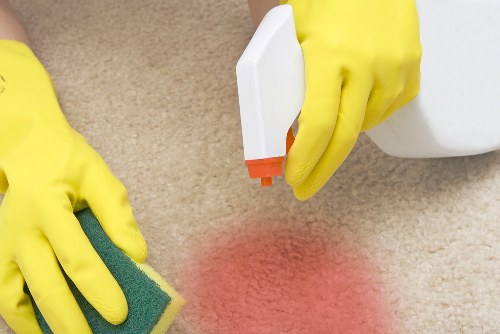 Our health and safety policy for cleaners in Twickenham is designed to protect staff, clients, visitors, and anyone who may be affected by cleaning activities. It sets out clear responsibilities, safe working standards, and practical measures that help reduce the risk of injury, illness, and property damage. We recognise that professional cleaning involves a wide range of tasks, from routine dusting to the handling of chemicals and equipment, so safety must remain central at every stage.
Every cleaner is expected to work in a safe, careful, and professional manner. This means following agreed procedures, using equipment correctly, and stopping work if conditions become unsafe. Managers and supervisors have a duty to ensure that risks are assessed properly and that all staff receive the information and support they need. Our policy applies to all cleaning duties, whether carried out in offices, homes, communal areas, or other workplaces.
We also believe that a strong safety culture depends on communication. If a cleaner notices a hazard, such as a wet floor, damaged cable, broken glass, or an aggressive chemical reaction, it must be reported promptly. A proactive approach helps prevent accidents and keeps standards consistent across all cleaning operations.
 Risk assessment is an essential part of the cleaners’ safety policy. Before work begins, hazards should be identified and controls put in place to minimise exposure. Typical risks include slips, trips, and falls; manual handling injuries; contact with cleaning agents; use of electrical equipment; and accidental exposure to contaminated waste. Assessments should be reviewed whenever the task, environment, or equipment changes.
Personal protective equipment must be used where required. This may include gloves, non-slip footwear, eye protection, aprons, or masks depending on the activity. PPE should fit properly, be kept in good condition, and be replaced when worn or damaged. Wearing the correct protection is not optional when a task calls for it, and staff should be trained to understand why each item is needed.
Chemical safety is especially important in cleaning work. All products must be stored securely, clearly labelled, and used according to the manufacturer’s instructions. Cleaners should never mix chemicals unless specifically directed to do so, as this may create harmful fumes or reactions. Where possible, less hazardous products should be chosen first, and safe dilution methods must always be followed.
Manual handling is another key concern in any professional cleaner policy. Lifting buckets, moving equipment, and carrying supplies can cause strain if done incorrectly. Staff should use good posture, avoid twisting, and request assistance for heavy or awkward loads. Trolleys or other aids should be used where practical to reduce physical effort and improve control.
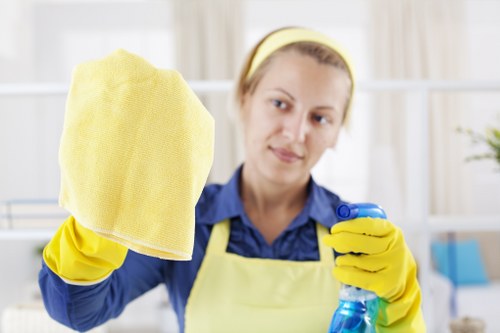 Equipment safety must not be overlooked. Vacuum cleaners, steam units, polishers, and other electrical items should be inspected regularly, maintained properly, and taken out of service if defects are found. Cables should be positioned to avoid trip hazards, and equipment should only be used by trained persons. Before cleaning near sockets, plugs, or switches, staff must ensure the area is safe and dry.
Slips and falls are among the most common hazards in cleaning environments. Floors should be clearly signposted while cleaning is in progress, and access should be restricted when necessary. Spills must be dealt with quickly using the correct method, and surfaces should be left as dry and safe as possible. Good housekeeping supports safer work and reduces the chance of avoidable incidents.
Training, supervision, and competence are fundamental to this policy. All staff must receive suitable instruction before carrying out tasks independently. Training should cover safe use of products and machines, emergency procedures, reporting systems, and the correct response to hazards. Refresher training should be provided when required, especially if new equipment, substances, or working methods are introduced.
In the middle of operations, attention must also be given to hygiene and welfare. Cleaners should have access to suitable handwashing facilities, rest breaks, drinking water, and appropriate welfare arrangements. Cuts, skin irritation, and contamination risks should be addressed quickly, and first aid procedures must be known by all relevant staff. Good personal hygiene helps protect both cleaners and the people in the environments they serve.
Incident reporting and investigation are vital for continuous improvement. All accidents, near misses, and unsafe conditions should be recorded and reviewed so that lessons can be learned. This includes events that did not cause injury but could have done so. By understanding what went wrong, the organisation can make better decisions and strengthen preventive controls.
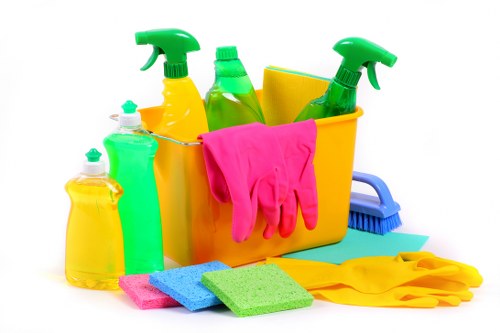 Emergency preparedness is also part of a responsible cleaning safety policy. Staff should know what to do in the event of fire, chemical exposure, injury, or another urgent situation. Routes must be kept clear, and cleaners should never block exits with equipment or supplies. If a serious hazard is discovered, work must stop until the issue is safely resolved.
We expect everyone involved in cleaning work to contribute to a respectful and safe environment. This includes treating others with care, not rushing tasks in a way that increases risk, and following instructions from supervisors. Safety is not separate from quality; it is a core part of professional service and reliable working practice.
The policy will be monitored regularly to ensure it remains effective and relevant. Reviews may be carried out after an incident, when procedures change, or at planned intervals. Updates will reflect new risks, improved methods, and any lessons learned through day-to-day operations.
 In summary, our Twickenham cleaners health and safety policy is built on prevention, awareness, and responsibility. By identifying risks early, using equipment correctly, handling chemicals carefully, and supporting staff with training and supervision, we can maintain a safer working environment for everyone. Safety must be followed consistently, every day, on every task.
This policy should be understood as a working standard for all cleaning activities and as a commitment to safe, professional practice.