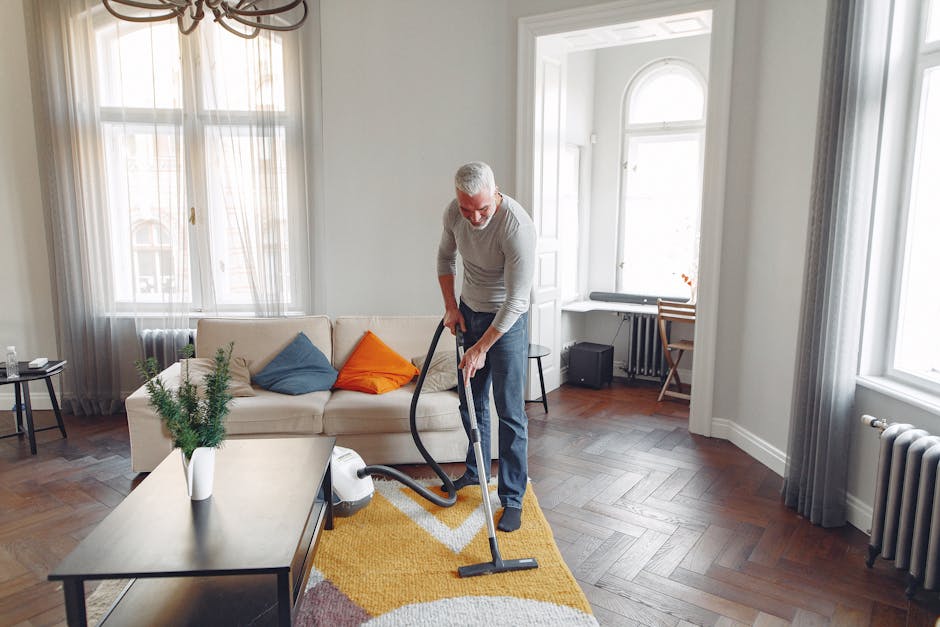
Strawberry Hill carpet cleaning guide for Twickenham homeowners
If you live in Strawberry Hill, you already know how quickly a tidy home can start to feel a bit tired underfoot. Hallway traffic, muddy shoes after a wet school run, pets, breakfast spills, and the general dust of everyday life all settle into carpet fibres before you really notice. This Strawberry Hill carpet cleaning guide for Twickenham homeowners is here to make the process clearer, safer, and far less annoying than it first sounds.
Whether you are trying to freshen one room, tackle a stubborn mark, or decide if professional carpet cleaning is worth booking, the basics are the same: understand your carpet, treat stains correctly, use the right method, and dry it properly. Do that well, and you can extend the life of your flooring without turning the house into a chemistry experiment. Which, let's face it, nobody wants.
For homeowners who want a deeper clean with less guesswork, it can help to compare the process with a dedicated carpet cleaning service or, where fibres are more delicate, a specialist steam carpet cleaning approach. This article walks through what matters, what to avoid, and what good results usually look like in a typical Twickenham home.
Table of Contents
- Why this matters for Strawberry Hill homes
- How carpet cleaning works
- Key benefits and practical advantages
- Who this is for and when it makes sense
- Step-by-step guidance
- Expert tips for better results
- Common mistakes to avoid
- Tools, resources and recommendations
- Law, compliance, standards and best practice
- Options, methods and comparison
- Case study or real-world example
- Practical checklist
- Conclusion
- Frequently asked questions
Why Strawberry Hill carpet cleaning guide for Twickenham homeowners Matters
Carpets do more than soften a room. They influence how clean the whole house feels. In Strawberry Hill, where many homes mix busy family life with older interiors, carpets often take a beating in the places people notice most: hallways, stairs, landings, reception rooms, and the bit of carpet by the sofa where everyone seems to sit with a drink. You know the spot.
Regular carpet cleaning matters because dirt is not just cosmetic. Grit acts like sandpaper inside the pile, flattening fibres over time. Spills can leave residues that attract more grime. And if moisture is left sitting too long, odours can linger. A carpet that looks "a bit dull" is often holding far more than dust. That is the real issue.
For Twickenham homeowners, there is also a practical side. Properties in and around Strawberry Hill may have a mix of modern wool blends, older wool carpets, runners on stairs, and fitted carpets in bedrooms. Different fibres react differently to water, heat, and cleaning products. Using the wrong method can leave tides marks, browning, or that rough sticky feel after cleaning that everyone hates.
There is a trust angle too. When you invest time or money into cleaning, you want a finish that lasts more than a day or two. A sensible routine, backed by the right method, usually gives better results than a frantic one-off scrub. Truth be told, most carpet damage happens during well-meant DIY attempts rather than from the original stain.
How Strawberry Hill carpet cleaning guide for Twickenham homeowners Works
At its simplest, carpet cleaning works by loosening soil, lifting it from the fibres, and removing both the dirt and the cleaning residue. The trick is doing that without over-wetting the carpet or pushing stains deeper. Sounds simple. It rarely is.
Most cleaning methods follow the same broad pattern:
- Inspect the carpet fibre and the type of soiling.
- Pre-treat spots or traffic lanes with the right solution.
- Agitate lightly where needed to break down embedded dirt.
- Extract or remove the loosened soil.
- Dry the carpet properly and avoid walking on it too soon.
Professional cleaners often use hot water extraction, sometimes called steam cleaning in everyday conversation, though it is not just "steam" in the literal sense. A heated solution is applied, then extracted with powerful suction. That process can work well on many household carpets because it reaches deeper into the pile than surface cleaning alone.
Other methods can be useful too. Low-moisture cleaning may suit lightly soiled carpets or situations where quick drying is important. Dry compound methods are sometimes chosen for delicate fibres or rooms that must be back in use fast. The right choice depends on the carpet, not on a one-size-fits-all promise. That's the honest answer.
If the carpet has matching soft furnishings nearby, it may make sense to look at related services such as upholstery cleaning or rug cleaning at the same time. In real homes, the sofa and carpet usually age together, for obvious reasons.
Key Benefits and Practical Advantages
A well-cleaned carpet does more than look neat. It can change the feel of the whole room. Here are the most useful benefits for Strawberry Hill homeowners:
- Better appearance: colours look brighter, pile looks more even, and older carpets often regain a decent amount of life.
- Improved freshness: dust, food residue, pet smells, and general household odours are reduced.
- Longer carpet life: removing grit and embedded debris helps reduce wear in high-traffic areas.
- Cleaner indoor feel: especially useful where children, pets, or allergy-sensitive family members spend a lot of time at home.
- Better stain control: prompt treatment can stop small accidents becoming permanent marks.
- Smarter maintenance: regular care is easier and cheaper than replacing a carpet early.
There is also a psychological benefit that people underestimate. Fresh carpet changes how the room feels at 8am on a dark winter morning. A room can be clean overall, but if the carpet looks patchy or smells faintly damp, the whole house feels off. Clean fibres sort that out quicker than people expect.
For households preparing to move, renovate, or simply reset the home after a hectic season, carpet cleaning can be a strong part of a wider refresh. It pairs naturally with deep cleaning or, in some cases, move-in cleaning when you want the place ready from top to bottom.
Who This Is For and When It Makes Sense
This guide is for Twickenham homeowners who want their carpets to last longer and look better without making avoidable mistakes. It is especially relevant if you live in Strawberry Hill and any of the following sounds familiar:
- you have children, pets, or both;
- there are high-traffic areas in hallways, stairs, or lounges;
- you can see traffic lanes or flattened fibres;
- food or drink spills happen more often than you would like to admit;
- there is a stale smell after damp weather or closed windows;
- you are preparing for guests, tenants, or a property sale;
- you have not had a proper carpet clean in a long while.
It also makes sense if you are unsure about doing it yourself. Some carpets respond well to a rented machine and careful spot treatment, but others need more restraint. A wool carpet in a period home, for example, is not the place to experiment wildly with a supermarket spray and crossed fingers.
Homeowners who already use regular cleaning often find carpet care easier because dirt never gets the chance to build up. Meanwhile, if a room has been neglected for years, booking a proper clean can feel like a reset button. Small difference, big payoff.
Step-by-Step Guidance
If you want a practical process rather than vague advice, here is a sensible step-by-step approach for most household carpets. It will not suit every fibre or every stain, but it gives you a reliable framework.
1. Identify the carpet fibre
Start by checking whether the carpet is wool, wool blend, nylon, polyester, or something else. If you are not sure, test a hidden section or look for manufacturer guidance. Fibre type affects water tolerance, chemical sensitivity, and drying time. Wool, for instance, needs more caution than many synthetic carpets.
2. Vacuum slowly and thoroughly
Vacuuming is not just a quick once-over. Go slowly, overlap your passes, and pay attention to edges, stairs, and corners. Most "dirty carpet" problems begin with loose grit that should have been removed earlier. This stage matters more than people think. A lot more.
3. Test any cleaning product first
Before using a stain remover or cleaning solution, test it in an inconspicuous area. Wait for the fabric to dry before judging the result. Some carpets look fine while wet, then discolour an hour later. It is a boring step, but worth it.
4. Treat spots before the full clean
Work on isolated stains first so they do not spread during the main clean. Blot, do not rub. Use a suitable product for the stain type if you have one. Food marks, grease, pet accidents, and mud all behave differently. For persistent marks, a specialist stain removal approach is usually safer than random scrubbing.
5. Use the right main cleaning method
For deeper soiling, use a method matched to the carpet. Hot water extraction is common for many domestic carpets. Low-moisture methods can be helpful when drying time matters. Avoid soaking the carpet because too much water can leave the underlay damp, which then creates smells or browning.
6. Rinse or extract properly
One overlooked issue is residue. If detergent remains in the carpet, it can attract dirt faster and leave the pile feeling stiff. Good extraction is just as important as cleaning itself. You want the carpet clean, not coated.
7. Dry it fast and evenly
Open windows if the weather allows, but avoid making the room freezing and damp at the same time. Use airflow, not panic. Fans can help. Heating can help. The goal is steady drying, not a tropical sauna in your lounge. A carpet should feel merely damp, not soggy.
8. Reset the room once dry
Put furniture back carefully, using protective pads if needed. Do not replace heavy items too early if the pile is still damp. Freshly cleaned fibres can flatten under pressure, and that is annoying after all the effort.
Expert Tips for Better Results
Some carpet cleaning tips are common sense, but the details make a real difference. Here are the ones that matter most in real homes.
- Work from the edges of a stain inward. This helps prevent spreading.
- Use less product than you think. More cleaner does not always mean cleaner carpet.
- Keep an eye on humidity. In a closed Strawberry Hill room on a grey day, drying can take longer than expected.
- Lift solids before treating liquids. Mud, food, or pet debris should be removed first.
- Blot with clean cloths only. Old towels with cleaning residue can make matters worse.
- Rotate attention to high-traffic lines. The same path to the sofa or stairs can become visibly worn if ignored.
Here is a small but useful one: if a stain is old, do not keep attacking it in the same minute with three different products. That is usually how carpets get over-wet and slightly sad-looking. Take a breath. Assess. Then act.
Another sensible habit is to pair carpet care with home maintenance. A clean carpet near a dusty skirting board still looks dull. Likewise, a bright room with grimy curtains can undermine the whole result, so services like curtain cleaning can complement the job where needed.
Common Mistakes to Avoid
Most carpet problems come from a few repeat errors. If you avoid these, you are already ahead of the game.
- Rubbing stains aggressively: this pushes soil deeper and can damage the pile.
- Using too much water: excess moisture can lead to slow drying, odours, and underlay issues.
- Skipping the vacuum: cleaning over loose dirt only moves the mess around.
- Using the wrong product: bleach-based or overly harsh cleaners can alter colour or texture.
- Ignoring drying time: walking on a damp carpet re-soils it faster and flattens fibres.
- Cleaning every stain the same way: ink, wine, grease, and pet accidents need different responses.
It is also easy to overestimate the strength of a domestic machine. A rental unit may look powerful, but if the suction is weak or the pass is too quick, the carpet ends up damp and only half-cleaned. Not ideal. Not even close.
Tools, Resources and Recommendations
You do not need a warehouse full of equipment to clean a carpet properly. But a few solid tools make the job easier and safer.
| Tool or item | Best use | Notes |
|---|---|---|
| Vacuum cleaner with strong suction | Daily or weekly dirt removal | Slow passes matter more than speed. |
| Microfibre cloths | Blotting spills and lifting residue | Use clean, dry cloths only. |
| Soft-bristled brush | Light agitation for spots | Avoid harsh scrubbing on delicate fibres. |
| Suitable carpet shampoo or spot cleaner | Targeted treatment | Always test first in a hidden area. |
| Fan or open-window airflow | Drying support | Even drying is better than heat alone. |
If you are choosing between doing it yourself and hiring help, think about the carpet's age, fibre, and current condition. A lightly soiled synthetic bedroom carpet is a different project from a stair carpet with repeated spill marks and pet odours. In the second case, a specialist like pet stain odour removal may be the sensible route.
For homeowners comparing service options, the practical pages on pricing and quotes and payment and security can also help you understand what to expect before booking. That sort of clarity is underrated, honestly.
Law, Compliance, Standards, or Best Practice
For domestic carpet cleaning, there is usually no special legal drama in the background, but there are still sensible UK best-practice expectations worth respecting. Cleaning products should be used according to the manufacturer guidance, and surfaces should be treated in a way that avoids unnecessary slip risk, damage, or excessive fumes.
If you hire a professional cleaner, it is reasonable to expect them to work safely in your home, communicate any risks, and handle chemicals responsibly. Homeowners should also be clear about access, pets, fragile items, and any health concerns. That simple exchange avoids most problems before they start.
Insurance matters too. If a cleaner is working in your property, you want reassurance that they operate with appropriate cover and a sensible safety approach. For a company overview, it is worth looking at their about us page alongside insurance and safety information and the health and safety policy. Those pages are not exciting, but they do tell you a lot about how seriously a business takes the job.
Best practice also includes being honest about limitations. Some stains will not fully disappear. Some carpets are already worn. Some underlay issues are hidden until cleaning begins. A trustworthy cleaner should explain that clearly rather than promising magic. In this line of work, honesty beats hype every time.
Options, Methods, or Comparison Table
Choosing the right method depends on timing, fibre type, and how dirty the carpet really is. Here is a straightforward comparison.
| Method | Best for | Strengths | Watch-outs |
|---|---|---|---|
| Hot water extraction | General domestic deep cleaning | Good soil removal, strong refresh, suitable for many carpets | Needs careful drying and the right fibre match |
| Low-moisture cleaning | Quick turnaround rooms | Faster drying, less risk of saturation | May not suit heavily embedded dirt |
| Spot treatment only | Small isolated marks | Fast and targeted | Won't fix overall dullness or deep soil |
| Professional full-room clean | Traffic lanes, stubborn odours, end-of-tenancy refresh | More consistent result and better extraction | Costs more than DIY, but often saves hassle |
If you want a more complete reset, many homeowners pair carpet work with domestic cleaning or a broader one-off cleaning visit. That can make sense before visitors arrive, before a move, or after a particularly busy stretch of family life.
Case Study or Real-World Example
Here is a realistic Strawberry Hill scenario. A homeowner has a light-coloured living room carpet with traffic marks from the front door to the sofa, plus one old tea stain near the armchair. The carpet is not ruined, just dulled. The room feels clean in every other way, but the floor makes it look tired.
They start by vacuuming slowly and testing a mild cleaner in a hidden corner. The tea stain lightens but does not vanish immediately. Instead of going at it again and again, they blot, pause, and then treat the full traffic area with a suitable extraction clean. The room is left with good airflow for drying, furniture is replaced later that day, and the carpet looks brighter the next morning. Not brand new, no nonsense like that, but noticeably fresher and more even.
The important bit is not perfection. It is control. In many homes, the best result comes from steady cleaning, appropriate products, and a bit of patience. That is especially true where carpets are older but still worth keeping. A sensible clean often buys you more good years than you expect.
Practical Checklist
Use this quick checklist before you start.
- Identify the carpet fibre if possible.
- Vacuum thoroughly before any wet cleaning.
- Test products in a hidden area first.
- Blot stains gently instead of rubbing.
- Choose a cleaning method that matches the carpet and drying time.
- Keep the room ventilated during and after cleaning.
- Avoid over-wetting the carpet or underlay.
- Let the carpet dry fully before heavy use.
- Treat persistent odours or pet stains with specialist care.
- Book professional help if the carpet is delicate, heavily stained, or expensive to replace.
If you want your wider home care to feel more joined-up, it can help to think beyond the carpet alone. Fresh carpets alongside clean windows from window cleaning or tidy hard floors from hard floor cleaning make the whole place feel properly looked after.
Get a free quote today and see how much you can save.
Conclusion
A good carpet clean is one of those jobs that quietly changes the feel of a house. In Strawberry Hill, where homes are often lived in properly rather than staged like showpieces, that matters. You want carpets that look cared for, smell fresh, and stand up to daily life without becoming a weekend headache.
The smartest approach is usually a mix of routine vacuuming, sensible stain treatment, and the right deep-clean method when the carpet needs more than a surface refresh. If you stay cautious with moisture, test products properly, and keep drying under control, the results are usually much better than people expect. And if the job feels too big, too delicate, or too old to risk, that is a perfectly reasonable moment to bring in help.
In the end, a well-kept carpet is not just about appearance. It is about comfort, calm, and making your home feel like home again. Small things, but they add up.
Frequently Asked Questions
How often should Strawberry Hill homeowners clean their carpets?
It depends on household traffic, pets, and whether the carpet is in a hallway, lounge, or bedroom. Many homes benefit from routine vacuuming and periodic deeper cleaning, especially in busy areas. High-traffic carpets usually need attention sooner than rooms used less often.
Is steam carpet cleaning safe for all carpets?
Not always. Many carpets handle hot water extraction well, but some fibres and backing materials need a gentler approach. Always check the carpet type first and use caution with wool or older fitted carpets.
What is the best way to remove a fresh stain?
Blot the spill gently with a clean cloth, work from the outside of the mark inward, and avoid rubbing. Then use a suitable stain treatment for the material. Fresh stains are much easier to deal with than old ones, so speed helps.
Can I clean my carpet myself or should I hire a professional?
You can often manage light cleaning yourself, especially for small marks or regular maintenance. A professional clean makes more sense for deep soiling, pet odours, delicate fibres, or when you want a more even finish across the whole room.
How long does a carpet usually take to dry?
Drying time depends on the method used, humidity, airflow, and how much moisture was applied. A carpet that is cleaned carefully and ventilated well should dry faster than one that has been soaked. If in doubt, allow extra time rather than walking on it too soon.
Why does my carpet look dirty again after cleaning?
This often happens when residue is left behind, the carpet was not fully extracted, or grit from the underlayer and surrounding areas resettled. Poor drying can also attract dirt faster. Good technique makes a big difference here.
Are pet stains and odours harder to remove?
Yes, usually. Pet accidents can sink into fibres and underlay, which means surface cleaning may not be enough. A targeted treatment approach is often needed, especially if the smell has been present for a while.
Does carpet cleaning help with allergies?
It can help reduce dust, debris, and other particles trapped in the fibres, which may improve the overall indoor feel. That said, carpet cleaning is not a medical treatment and results vary from home to home.
What should I ask before booking a carpet cleaner?
Ask about their cleaning method, drying expectations, insurance, stain treatment approach, and how they handle delicate fibres. It is also sensible to ask whether they provide clear pricing and what is included, so there are no awkward surprises later.
Can carpet cleaning damage wool carpets?
It can if the wrong products or too much water are used. Wool needs careful handling, controlled moisture, and suitable pH-aware products. This is where experience matters more than fancy equipment.
Should I move furniture before carpet cleaning?
Usually yes, at least smaller items. Larger furniture may be moved with care depending on the room and the service. If you are unsure, check in advance so you can avoid damage to the carpet or the furniture feet.
What is the most common mistake homeowners make?
Rubbing stains too hard and using too much water are probably the two biggest ones. Both can make the carpet look worse, not better. A gentle, methodical approach nearly always wins.
Where can I learn more about the company behind these services?
If you are comparing providers, it is sensible to review their about us, insurance and safety, and complaints procedure pages. Those details help you judge how transparent and reliable they are before you book.